
 Business License

What is ultra-fine coaxial cable? What is it used for?
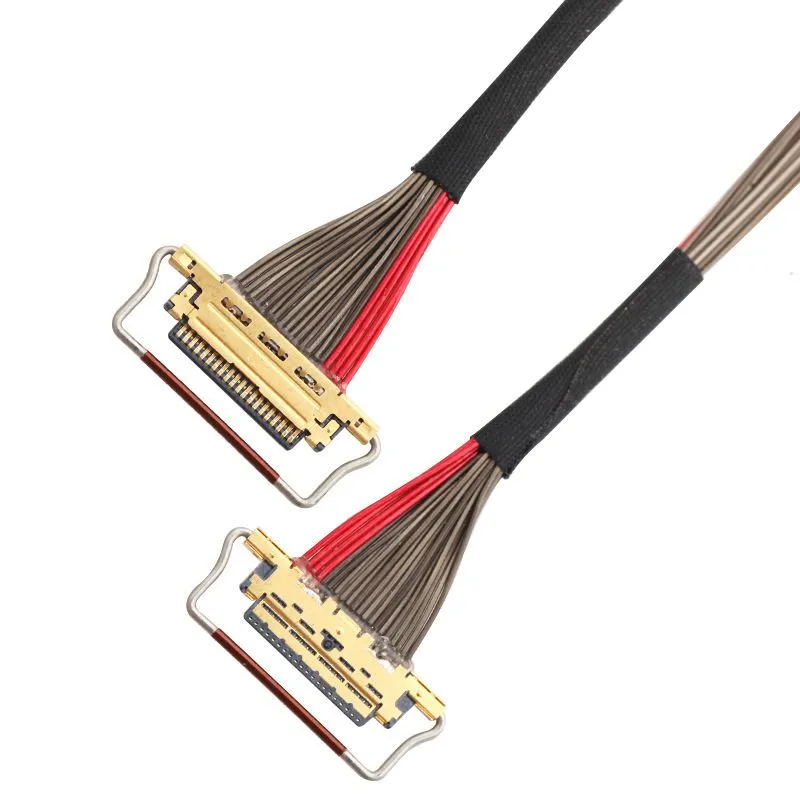
Micro Coaxial Cable is a miniature coaxial cable with an extremely small outer diameter. The wire gauge is typically as fine as AWG 44, and the overall outer diameter can be as small as 0.5 mm. It is precision-engineered from a high-purity signal conductor, a low-dielectric-constant insulation layer, a high-density shielding layer, and an ultra-thin outer jacket. It serves as a core component for high-speed signal transmission in today’s high-end imaging equipment.
📡 Key Features and Advantages
High-Speed, Lossless Transmission: It reliably carries 4K/8K ultra-high-definition video and high-speed signals such as MIPI, LVDS, and GMSL, significantly reducing signal attenuation and insertion loss. This prevents screen flickering, frame drops, and image distortion, enabling zero-latency high-definition video transmission.
Superior Interference Resistance: Each signal channel features an independent shielding structure that filters out interference from complex electromagnetic environments—such as Wi-Fi, Bluetooth, and industrial equipment—eliminating image noise, flickering, and even signal interruptions to ensure a pure and stable signal.
Precise Impedance Control: The characteristic impedance is strictly maintained within the industry-standard range of 100 Ω ± 10 Ω, preventing high-speed signal reflections and perfectly meeting the video transmission requirements of high-resolution cameras—a feat ordinary electronic cables (which can only achieve ±15 Ω) cannot match.
Ultra-Compact Size and High Flexibility: With an extremely fine wire gauge and exceptional flexibility, it allows for flexible routing in confined spaces such as pan-tilt units and compact cameras. It supports frequent mechanical movements like rotation and tilt without hindering device operation or causing additional wear.
Multi-Function Integration: A single cable assembly simultaneously handles video data transmission, device control signal feedback, and power supply, significantly simplifying system cabling, reducing internal space requirements, and lowering installation and maintenance costs.
Long Service Life and Bend Resistance: The cable structure and terminal solder strength far exceed those of standard flat cables. It can withstand repeated 120° rotations of camera pan-tilt heads, with a stable service life of 3–5 years or more—far surpassing the durability of ordinary cables.
📷 Typical Application Scenarios
It serves as the standard transmission cable for high-end conference cameras, security surveillance cameras, industrial vision inspection equipment, drone gimbals, medical endoscopic imaging, and autonomous driving multi-camera systems. It is particularly indispensable in devices with limited space and stringent signal transmission requirements.
Recently Posted
-
What are the most common problems with surveillance cameras? How can they be repaired?
September 29, 2026Most surveillance camera malfunctions fall into four major categories: image quality, connectivity, night vision, and pan-tilt fun Read More
 -
How to Repair a FAKRA Connector?
September 29, 2026The core principles of FAKRA connector repair are: prioritize non-destructive cleaning, avoid aggressive sanding, and replace the Read More
 -
What is a Fakra connector? What are its main functions?
September 29, 2026FAKRA connectors are a high-frequency RF connector system designed specifically for the automotive industry. The name is derived f Read More
 -
What features should a good security camera have?
September 29, 2026The core features of a good surveillance camera include clear and stable image quality, intelligent false-alarm prevention, strong Read More

Contact Us
Recommended Products
-
 1300Mbps USB 3.0 WiFi Adapter Network Card Dual Band 2.4G/5GHz Bluetooth 4.2 Wireless Receiver Transmitter For Desktop Laptop PCUS$ 14 - 20MOQ: 100 Units
 -
WiFi 6 USB Adapter Bluetooth 5.4 Dual Band 2.4G 5G Antennas WiFi6 USB Network Receiver Dongle Driver Free Win 10/11 For PCUS$ 14 - 20MOQ: 100 Units
-
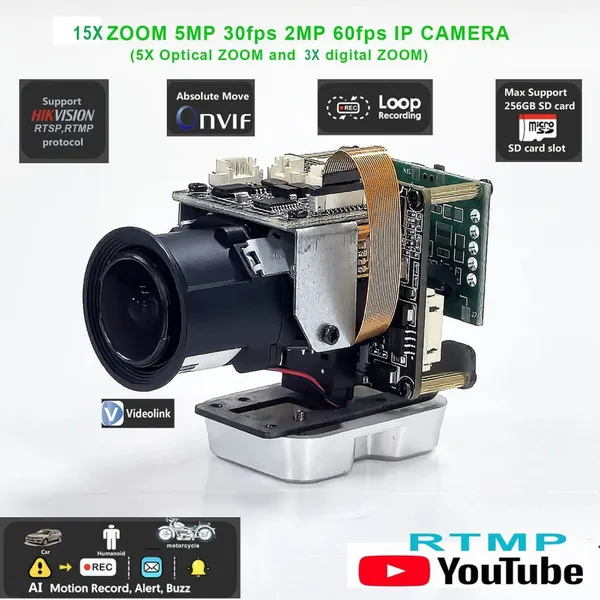
5x Optical Zoom Network Camera Module Mini Optical Zoom Camera Optical Zoom, MacroUS$ 43 - 45MOQ: 50 Units
-
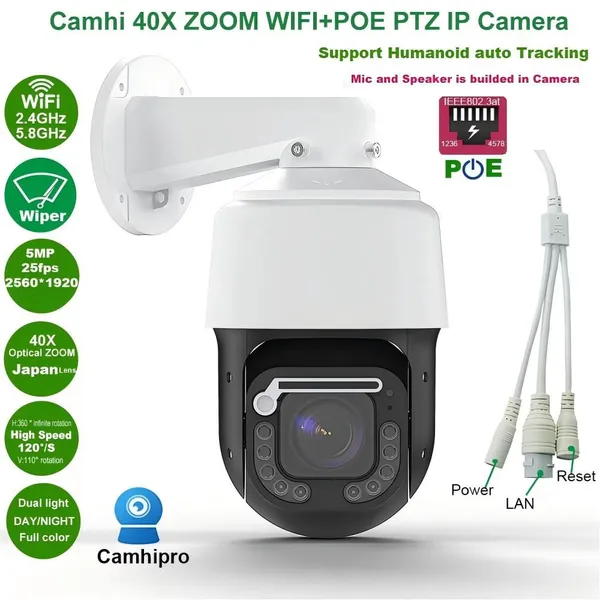
5MP 25fps 40x Zoom Wiper Surveillance Camera; Security Camera; Network CameraUS$ 200 - 220MOQ: 100 Units
-
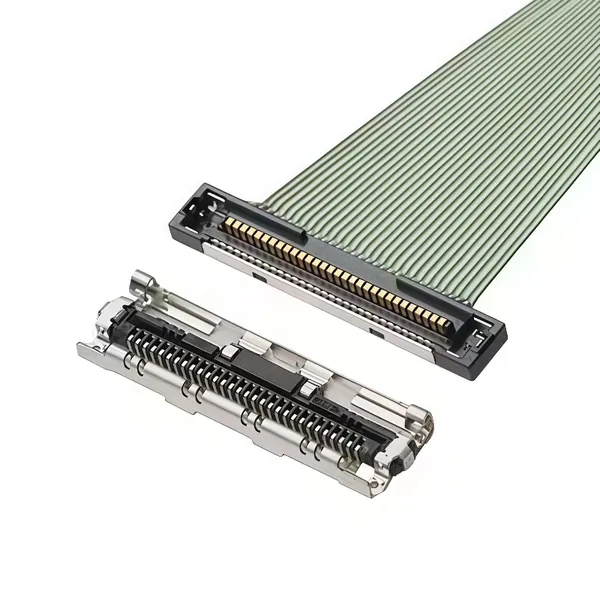
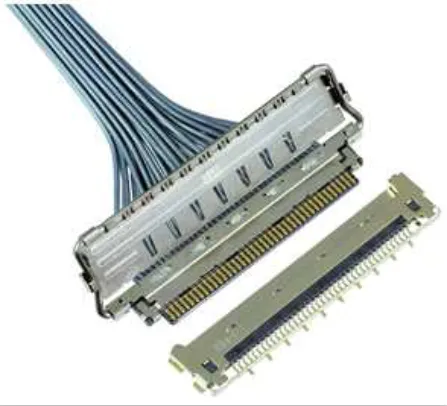
EDP Ultra-fine Coaxial Cable 20453-030T 20633-040T 20345-040T 20877-030TUS$ 9 - 15MOQ: 100 Units
-
EDP Cable LVDS Harness VBYONE Harness Coaxial Cable 0.5 Pitch 20/30/40/50pinUS$ 7 - 15MOQ: 100 Units
-
MIPI Cable, FPC Cable, Camera Cable, Drone HD Cable, Surveillance Camera HarnessUS$ 8 - 10MOQ: 100 Units
-
4K Video Capture Card USB 3.0 USB2.0 HDMI-compatible Grabber Recorder for PS4 Game DVD Camcorder Camera Recording Live StreamingUS$ 3.0 - 4.0MOQ: 1000 Pieces
-
LU USB 3 Port USB C HUB to Multi USB 3.0 HDMI Adapter for MacBook Pro USB C HUB Laptop Docking StationUS$ 19 - 20MOQ: 500 Pieces
-
1080P FHD Human Auto Tracking Wireless IP CCTV Cameras P2P YCC365 APP Human Track Home Security Surveillance CameraUS$ 19 - 20MOQ: 500 Pieces
-
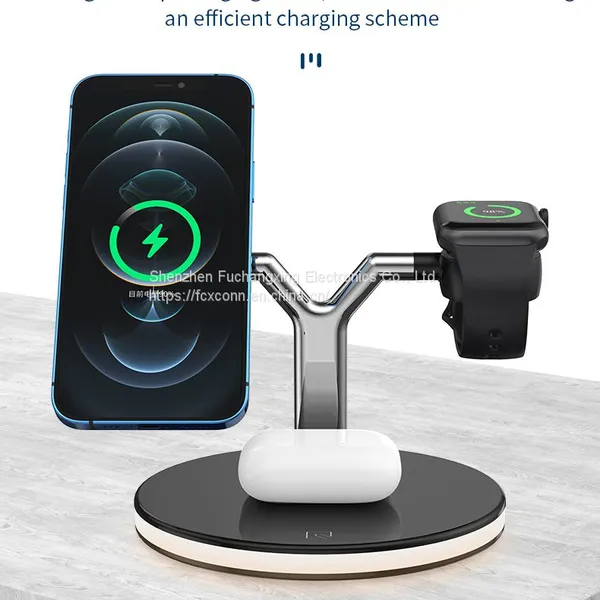
15W 3 In 1 Wireless Chager for IPhone 12S/12Pro IWatch Airpods Pro Magnetic Fast Charging Station Dock Stand Touch LightUS$ 9.5 - 10.5MOQ: 500 Pieces
-
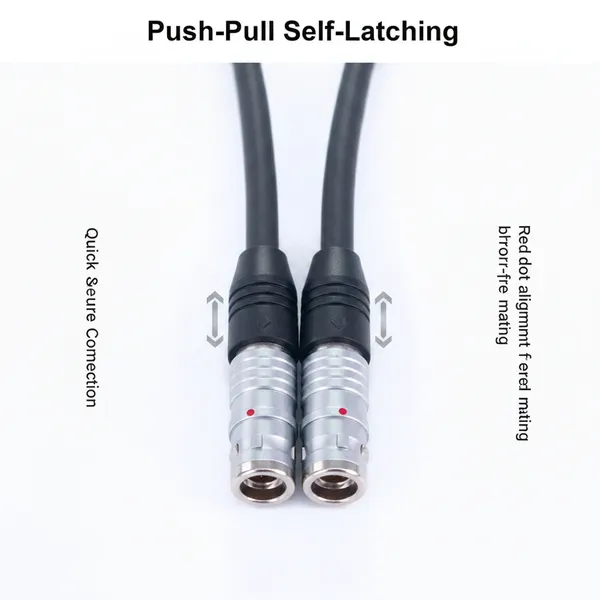
Custom 7Core Aviation Plug Cable Push-Pull Self-Locking Connector Industrial Grade Shielded Wire for Automation Test InstrumentsUS$ 23 - 25MOQ: 100 Units
-
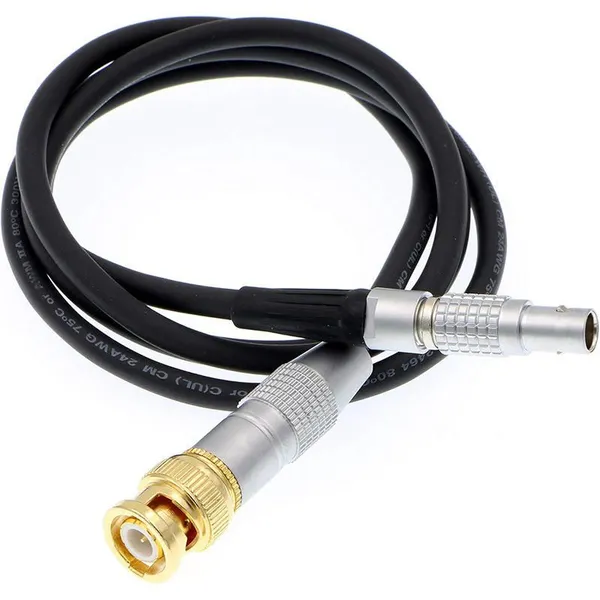
Custom Copper Conductor BNC Male to Push-Pull Self-Locking 5-Pin Male PTFE Insulated 1 Meter Power CableUS$ 23 - 25MOQ: 100 Units
-
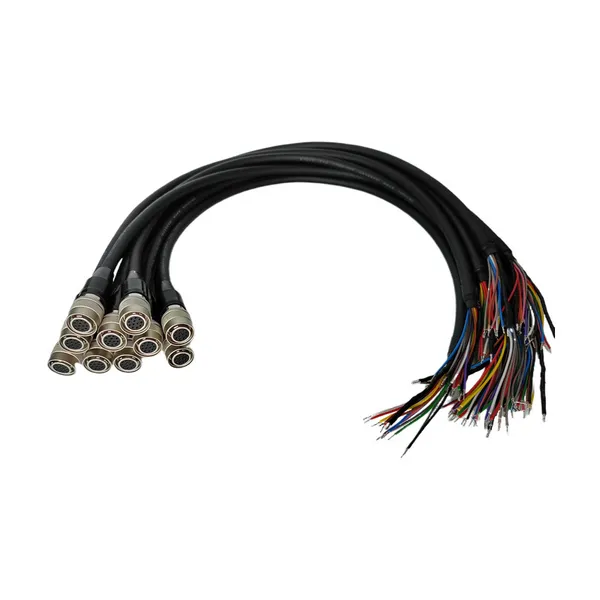
For HR10 Compatible 12Pin Industrial Camera Trigger Cable Push-Pull Self-Locking Drag Chain IP67 Rated for Wire ConnectionsUS$ 23 - 25MOQ: 100 Units
-
Push-Pull RJ45 Auto Wire Harness M12 Self-Locking Crystal Head PVC Ethernet Cable Industrial Vision AutomationUS$ 18 - 20MOQ: 100 Units
-
Custom Push-Pull Self-Locking Connector Cable Flexible Copper Conductor PVC | 12V 500mm Industrial-Grade Medical Devices TestUS$ 18 - 20MOQ: 100 Units
-
EGG ECG HGG FGG FSB Push Pull 0B 00B 1B 2Pin Connector 3Pin 4 Pin 5Pin Plug for Data Transfer Equipment DeviceUS$ 8 - 10MOQ: 100 Units
-
MS5015 Style 14 Pin 22-19 Radio Spec Connector 90 Degree Circular Adaptor Terminals Copper Contact Material Power ApplicationUS$ 18 - 20MOQ: 100 Units
-
High Quality Mini Coaxial Alternative Medical Cable Electrical Male Female Compatible DIN Metal Connector Quality SupplyUS$ 8 - 10MOQ: 100 Units
-
MIL Aviation Plug Waterproof Connectors Factory Supply 20-29S 17pins Servo Motor Connector Encoder ConnectionUS$ 8 - 10MOQ: 100 Units